Cybersecurity for freelancers and the self-employed: the essentials
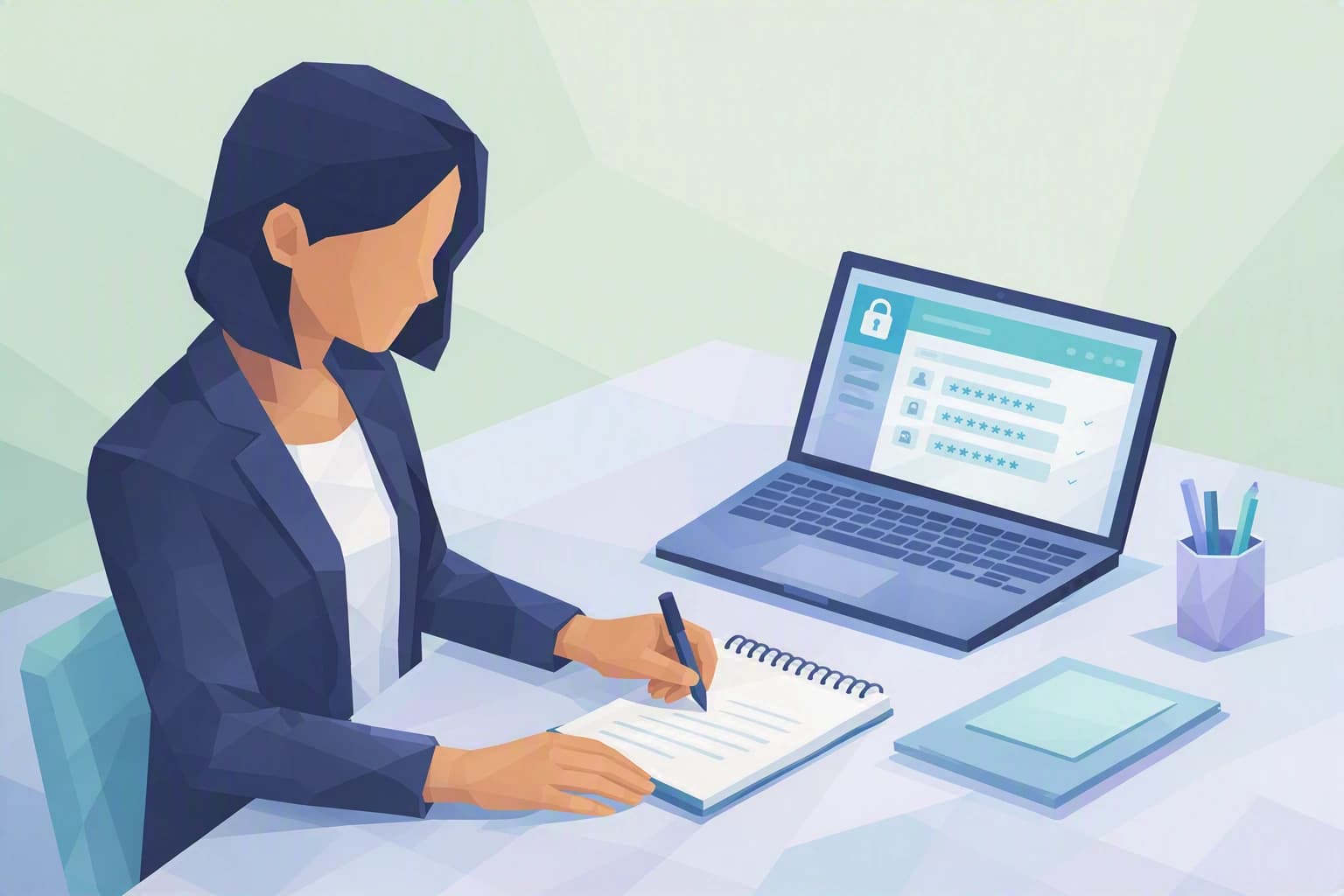
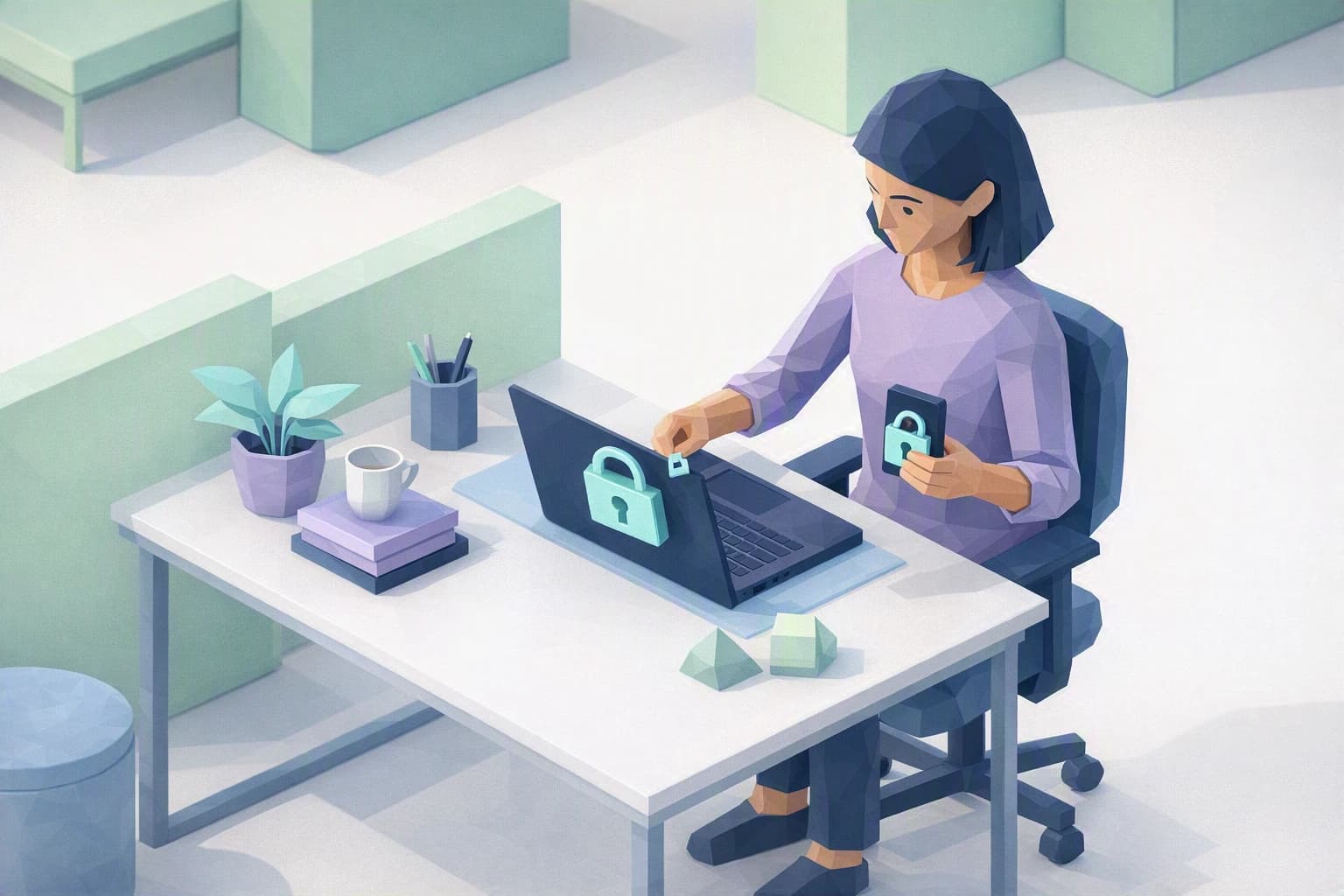
Alone with your inbox, your backups and your passwords? Freelance cybersecurity comes down to three realistic habits — no budget, no IT department.
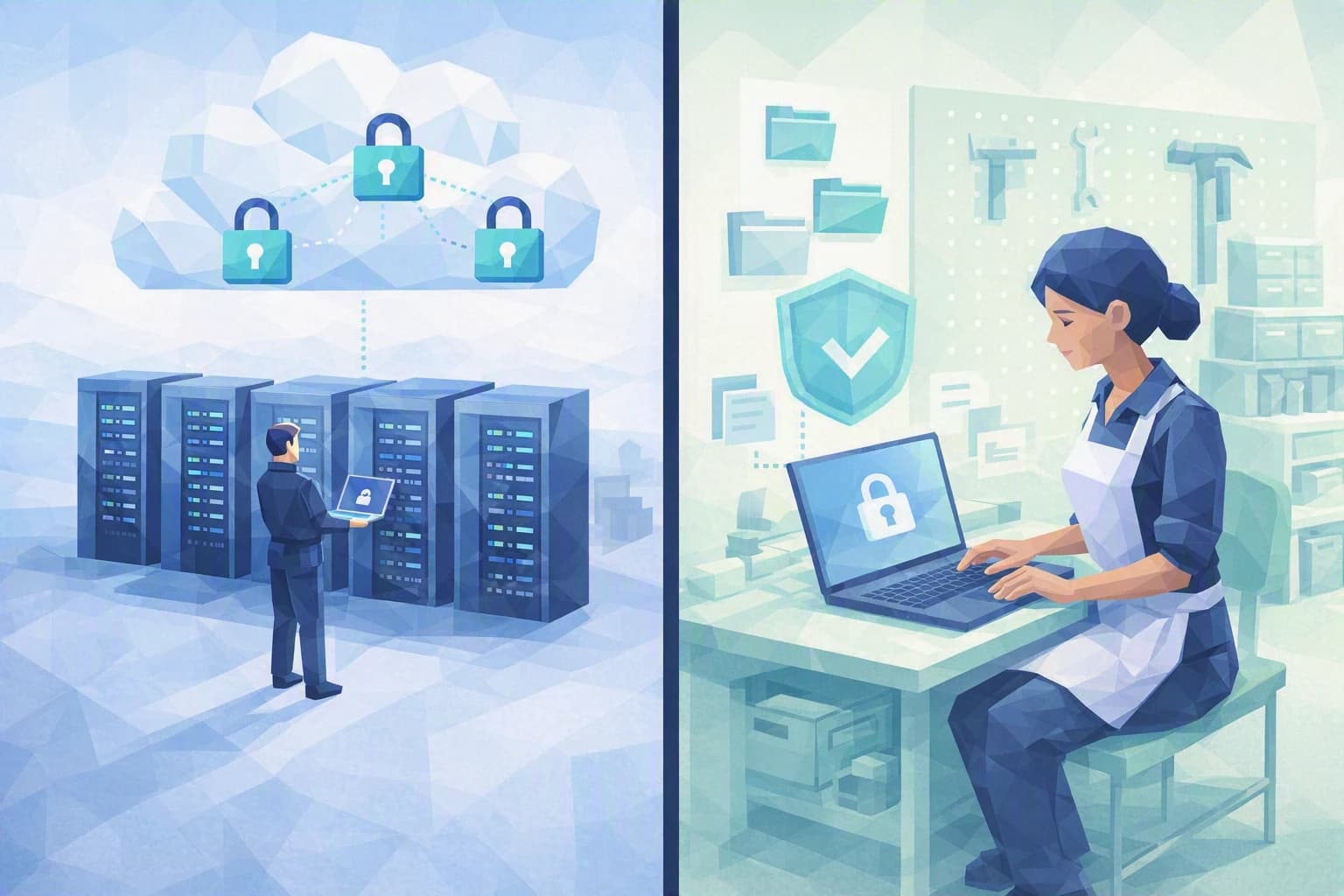
Alone with your inbox, your backups and your passwords? Freelance cybersecurity comes down to three realistic habits — no budget, no IT department.
Zero Trust isn't software you buy, it's a principle: never trust by default, always verify. What a Swiss SME actually gains from it, in plain terms.

In the cloud, the provider secures the infrastructure and you secure your access and your data. The shared responsibility model, explained simply, plus three steps for your SME.

Shadow IT means the digital tools your team uses without approval. What it risks for your data, and three simple steps to take back control.

A Swiss SME has no security team watching over it day and night. Here is how to detect and respond to an attack with the means at hand, in three moves.

Length over complexity, a password manager and two-factor authentication: the principles of a password policy that survives real life in a Swiss SME.

Length, uniqueness, a password manager: the real criteria for a strong password today, and three simple habits to roll out in your SME this week.

Free tools exist to measure your cybersecurity. Some are built for experts, others for you. How to tell them apart and get started this week.